What authentic UX leadership looks like
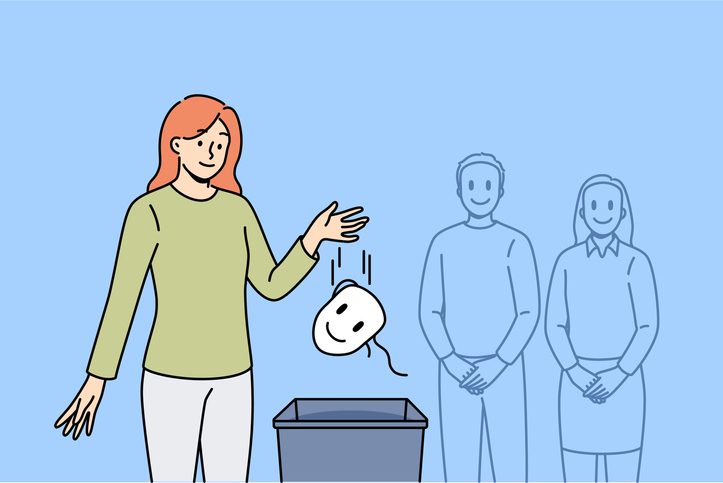
Authentic UX leaders don’t lead from ego—they lead from curiosity, humility, and empathy. They’re willing to admit when they don’t know something. They ask questions. They make space for others to contribute. And they see imperfection not as a weakness, but as part of the creative and collaborative process.
In the world of UX — where empathy, iteration, and collaboration are core values—authentic leadership isn’t just refreshing. It’s essential.
TL;DR:
Authentic UX leadership isn’t about having all the answers — it’s about creating space for collaboration, vulnerability, and growth. In this article, I share how leading with empathy and honesty can improve team dynamics, product outcomes, and trust across your organization.
Why vulnerability builds stronger teams
In high-stakes environments like B2B SaaS or health tech, there’s pressure to perform, to deliver flawlessly, and to lead with confidence. But that pressure can make teams feel afraid to speak up or take risks.
Authentic UX leadership flips that. It encourages openness and psychological safety. It tells the team:
- “I don’t have all the answers, but I’m here to figure it out with you.”
- “That experiment didn’t go as planned—what can we learn?”
- “We’re all learning together.”
When your team sees you lead this way, they feel safer to try, speak up, and contribute ideas that can move the work forward.
5 ways to lead with authenticity in UX
1. Admit what you don’t know
UX is a collaborative process. When leaders pretend to have all the answers, they shut down valuable input. Saying “I don’t know” creates space for the team to contribute, and it models curiosity over ego.
2. Normalize iteration — on products and people
We tell clients that UX is iterative. But do we give ourselves and our teams that same grace?
Authentic leaders understand that skills, communication, and leadership itself improve with feedback and time. They embrace learning loops—not just for the product, but for themselves.
3. Create space for failure
Failure is part of the process. The key is learning from it and moving forward.
Whether it’s a usability test that flops or a team miscommunication, authentic UX leaders don’t assign blame. They debrief, improve, and move on—with transparency and support.
4. Show the “why,” not just the “what”
Vulnerability builds connection. Sharing why you made a decision—even if it wasn’t perfect—helps the team learn and feel invested. It also invites discussion and reflection instead of defensiveness.
5. Lead with empathy — internally and externally
Empathy isn’t just for users. Authentic UX leadership means caring about your team’s experience, too. That might mean checking in during stressful sprints, setting boundaries to prevent burnout, or simply saying “thank you” at the end of a long day.
A real-world story from agency life
When I first started my agency, I thought I needed to have it all together. I felt pressure to present as confident and buttoned-up at all times.
But over the years, I’ve found that being open — about the challenges, the mistakes, the pivots — has helped me build stronger relationships with both my team and my clients. I’ve learned that trust isn’t earned by being perfect. It’s earned by showing up.
Final thoughts: The strength in being real
If you’re in a UX leadership role—whether you manage a team or guide cross-functional product decisions—remember that being authentic doesn’t mean being unprofessional. It means being real.
And in an industry built on understanding people, that’s one of the most powerful tools you have.
Want to work with a UX agency that leads with authenticity?
At Standard Beagle, we believe the best products come from honest collaboration, thoughtful iteration, and a whole lot of empathy. Let’s talk about how we can help you lead with heart—and build better experiences for your users.